
ChatGPT-3.5 vs GPT-4 vs GPT-5: What Changed, Which Models Are the Best, and What You Should Use in 2026? GPT-3.5 was the model family that made ChatGPT mainstream, GPT-4 made it more reliable and capable, and GPT-5 is the current generation built for stronger reasoning, better coding, longer tasks, and more real work. In 2026, GPT-5 is the family that matters most for current ChatGPT use.
The part that confuses people is the naming. When someone says “GPT-4” or “GPT-5,” they usually mean a whole family, not one single model forever. That is why you now see names like GPT-4.1, GPT-4.1 mini, GPT-5.1, GPT-5.2, GPT-5.3, GPT-5.4, Thinking, Pro, mini, and nano. Some of these are current. Some are retired from ChatGPT. Some still live in the API.
I want to make this simple. I will compare the three big generations first, then walk you through the important model branches inside GPT-4 and GPT-5, and then I will tell you what is actually current in ChatGPT right now, as of March 2026.
What is the simplest difference between GPT-3.5, GPT-4, and GPT-5?
The simplest difference is this: GPT-3.5 was fast and accessible, GPT-4 was smarter and more dependable, and GPT-5 is built for deeper reasoning, stronger tool use, better coding, and longer professional workflows.
Here is the quick version in one table:
| Model family | Best short description | Main strength | Main weakness today | Current relevance |
|---|---|---|---|---|
| GPT-3.5 | The breakthrough chat model | Speed and simplicity | Weaker reasoning and accuracy | Mostly historical or legacy |
| GPT-4 | The big capability jump | Better reasoning, writing, and analysis | Older branches are now being retired from ChatGPT | Important historically, less central in ChatGPT now |
| GPT-5 | The current frontier family | Reasoning, coding, long tasks, tools, and professional workflows | More model names to sort through | Most important family right now |
If you are choosing what matters in ChatGPT today, the answer is simple: GPT-5 matters most. If you are trying to understand how we got here, then GPT-3.5 and GPT-4 still matter because they explain the jump in quality.
If you also want the plan side of this topic, read ChatGPT free vs paid because model access and plan access are now closely tied.
Why does this comparison feel confusing now?
This comparison feels confusing now because OpenAI no longer talks about one model per era. It now ships model families with different sizes, reasoning modes, and use cases.
That means:
- One generation can have several branches
- Some models are built for chat
- Some are built for reasoning
- Some are built for speed and lower cost
- Some are built for coding
- Some are current in ChatGPT
- Some are API-only
- Some have already been retired from ChatGPT
That is why an old article that says “GPT-4 is the paid model” is no longer enough. In 2026, that explanation is too shallow.
What was ChatGPT-3.5, and why did it matter so much?
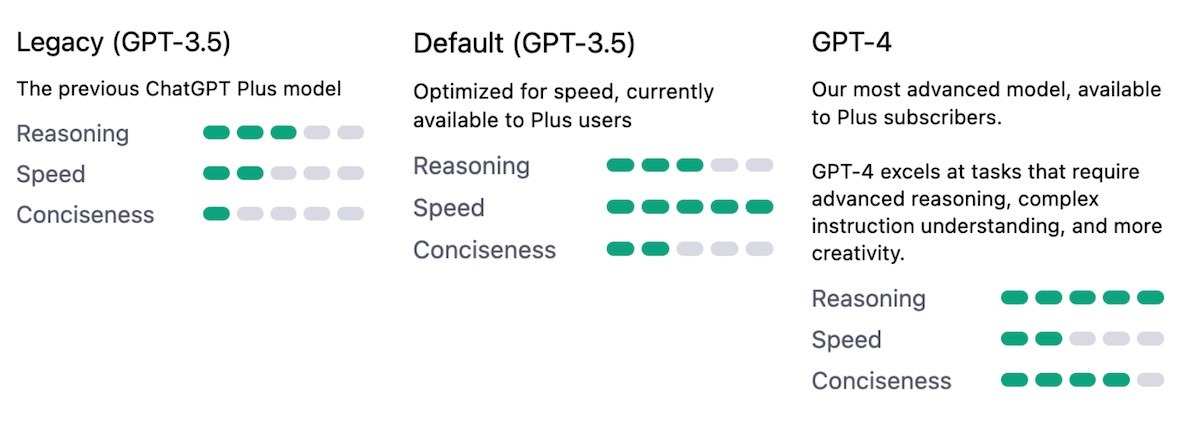
ChatGPT-3.5 was the model era that made conversational AI feel useful to everyday people.
The original ChatGPT experience was built on GPT-3.5. That is a big reason people still use “ChatGPT” and “GPT” almost like they mean the same thing. GPT-3.5 was the first version that made millions of people think, “Oh, this is not just a tech demo. I can actually use this.”
What GPT-3.5 was good at
GPT-3.5 was good at:
- Basic writing help
- Rewriting and summarizing
- Simple coding support
- Brainstorming
- General Q&A
It felt fast. It felt easy. It felt new.
What GPT-3.5 struggled with
GPT-3.5 also had clear limits:
- It could sound confident when it was wrong
- It was weaker at long reasoning chains
- It was less dependent on complex instructions
- It struggled more with harder coding and logic tasks
That is the key thing to remember. GPT-3.5 did not win because it was the strongest. It won because it made AI chat useful at scale.
Is GPT-3.5 still used Until Right Now?
Yes, but mostly as a reference point.
In practical terms, GPT-3.5 is now more of a legacy benchmark than a model family you should build your future around. In the API, GPT-3.5 Turbo is still available, but OpenAI has already described it as a legacy model and has recommended newer replacements for many use cases. In plain language, that means GPT-3.5 is still part of the story, but it is no longer the center of the story.
What did GPT-4 change compared with GPT-3.5?
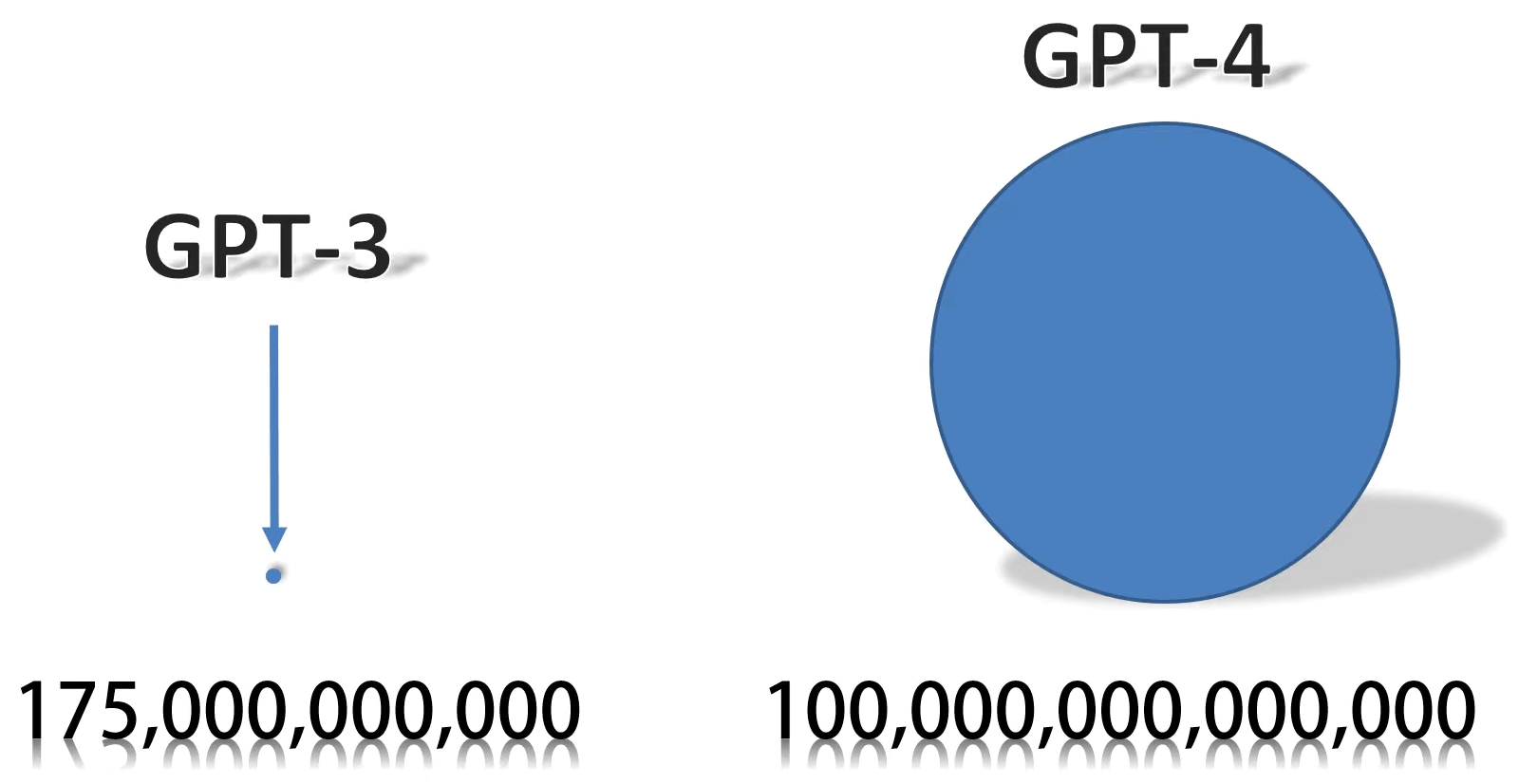
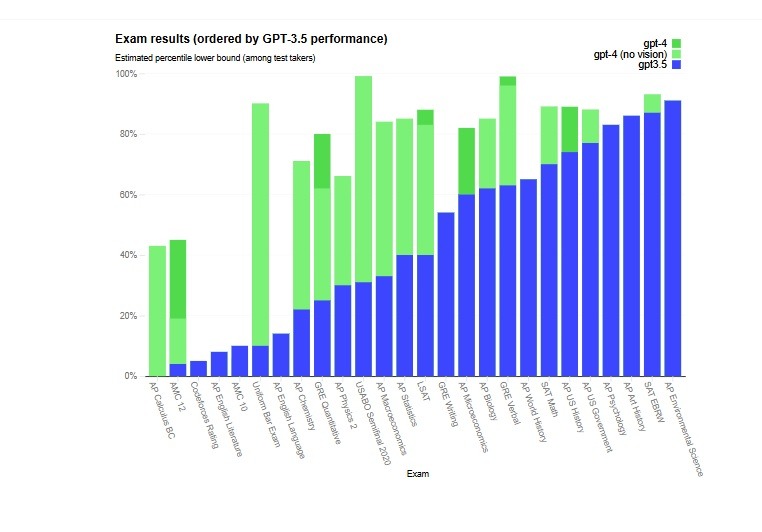
GPT-4 changed the game by making AI feel more trustworthy on harder tasks.
When people moved from GPT-3.5 to GPT-4, the biggest difference was not only “smarter answers.” It was this: GPT-4 was much better at staying on track. It handled nuance better. It followed the instructions better. It reasoned better. It made fewer weak guesses on complex tasks.
For a lot of users, that was the moment ChatGPT stopped feeling like a clever helper and started feeling like a serious tool.
What GPT-4 improved
GPT-4 improved:
- Reasoning
It was better at multi-step thinking, especially when the task needed structure and logic. - Instruction following
It was better at doing what you actually asked, not what it guessed you meant. - Long-form writing
It handled tone, organization, and detail better than GPT-3.5. - Coding
It became far more useful for debugging, planning, refactoring, and explaining code. - Professional use
It made ChatGPT more useful for real office work, not just casual chatting.
What GPT-4 did not fully solve
GPT-4 still had issues:
- It could still hallucinate
- It was slower than GPT-3.5 on some tasks
- Not every GPT-4 branch had the same strengths
- The naming started to become more complex over time
That last point matters. “GPT-4” eventually stopped meaning one clear thing.
Which GPT-4 models matter most?
The GPT-4 family includes several important branches, but the most relevant names are GPT-4, GPT-4 Turbo, GPT-4o, GPT-4.1, GPT-4.1 mini, and GPT-4.1 nano.
You do not need to memorize all of them, but you should know what role each one played.
GPT-4
GPT-4 is the core model that marked the jump from “good chatbot” to “serious AI assistant.”
It became known for better reasoning, stronger writing, and better reliability than GPT-3.5. If GPT-3.5 made ChatGPT popular, GPT-4 made many people willing to pay for it.
GPT-4 Turbo
GPT-4 Turbo was part of the effort to make GPT-4-class performance more practical.
It helped bring down cost and improve speed while keeping much of the GPT-4 experience useful for real work. For a lot of people, Turbo made GPT-4 more usable day to day.
GPT-4o
GPT-4o mattered because it pushed the GPT-4 family toward a more multimodal, real-time, tool-rich direction.
It became one of the most recognized GPT-4-era names. In 2026, though, you need to know one very important update: GPT-4o has been retired from standard ChatGPT use. Business, Enterprise, and Edu had temporary GPT-4o access in Custom GPTs until early April 2026, but GPT-4o is no longer the main ChatGPT model story.
GPT-4.1
GPT-4.1 is one of the most important late GPT-4 models.
It was introduced as a series with major gains in:
- coding
- instruction following
- long context work
That matters because GPT-4.1 was not just “GPT-4, but a little better.” It was a more targeted professional model family. It was especially strong for developers and agent-style tasks.
GPT-4.1 mini
GPT-4.1 mini was the smaller, faster sibling in the GPT-4.1 family.
It was designed to stay capable while being more efficient. In ChatGPT, it replaced GPT-4o mini for a period. If you wanted a lighter model that still felt smart, mini mattered.
GPT-4.1 nano
GPT-4.1 nano is the fastest and cheapest model in that family.
This one matters more on the API side than the normal ChatGPT side. It is part of the “smaller, faster, cheaper” model pattern that became much clearer in later model families.
Are GPT-4.1 and GPT-4.1 mini still in ChatGPT?
No, not as current ChatGPT models.
That is one of the biggest “up to date” points in this article. GPT-4.1 and GPT-4.1 mini were retired from ChatGPT in February 2026, along with GPT-4o and some other older branches. They still matter historically, and some GPT-4-era models remain relevant in the API, but GPT-4 is no longer the center of the live ChatGPT experience.
What changed when GPT-5 arrived?
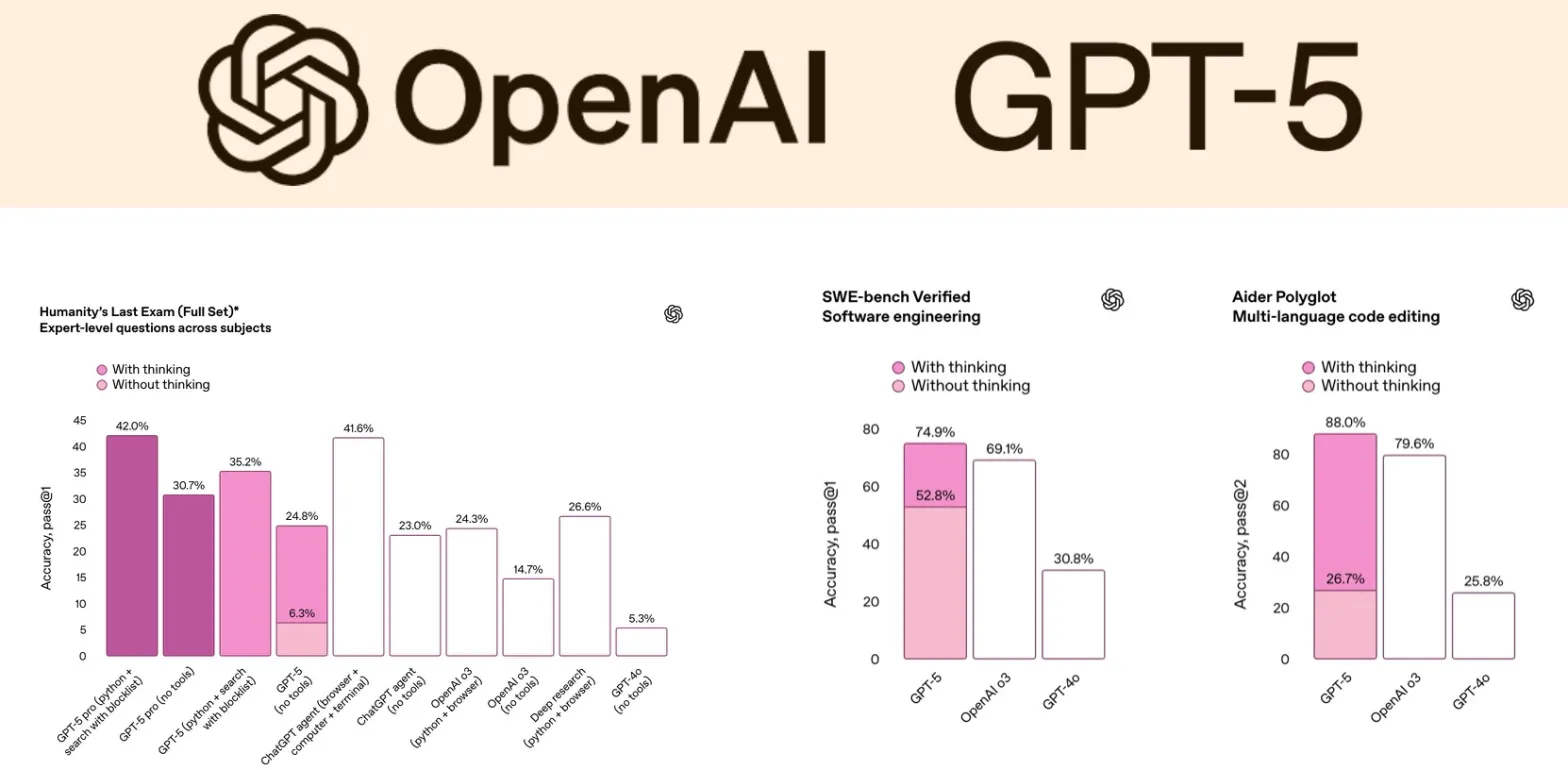
GPT-5 changed the conversation by focusing less on one-off answers and more on real task completion.
This is the shift I think many people miss. GPT-5 is not just “GPT-4 but smarter.” The newer GPT-5 line is more clearly aimed at:
- deeper reasoning
- stronger coding
- better tool use
- longer context handling
- research workflows
- document, spreadsheet, and presentation work
- multi-step tasks that need planning, checking, and revision
That is why GPT-5 feels more like a work system than a chat system.
Which GPT-5 models matter most?
The GPT-5 family has several important branches, and these are the ones you should actually know: GPT-5, GPT-5.1, GPT-5.2, GPT-5.3, GPT-5.4, plus subtypes like Instant, Thinking, Pro, mini, and nano.
This is where the modern naming structure becomes important.
GPT-5
GPT-5 was the first step in the current generation.
It introduced the newer generation’s direction, but in ChatGPT, GPT-5 Instant and GPT-5 Thinking have already been retired. That is why you will still hear people talk about GPT-5, but what you are more likely to deal with today is a later branch of GPT-5, not the original one.
GPT-5.1
GPT-5.1 focused on making GPT-5 smarter, warmer, and more conversational.
This version mattered because OpenAI pushed two things at once:
- better intelligence
- better communication style
GPT-5.1 Instant became more conversational and better at following instructions. GPT-5.1 Thinking became easier to understand and more adaptive with how long it spent reasoning.
That said, GPT-5.1 has already been retired from ChatGPT as of March 11, 2026. It still matters historically, and parts of the GPT-5.1 line remain relevant in the API and in Codex-related workflows, but it is no longer the current live standard inside ChatGPT.
GPT-5.2
GPT-5.2 was a big step forward for professional work.
This is the version where the messaging became much clearer: GPT-5.2 was about real work, not just better chat. OpenAI described different GPT-5.2 branches this way:
- GPT-5.2 Instant
A fast everyday workhorse for work and learning. - GPT-5.2 Thinking
A deeper reasoning model for harder work, coding, long documents, and decision support. - GPT-5.2 Pro
The higher-trust option for difficult questions where quality matters more than speed.
GPT-5.2 improved:
- long-context understanding
- vision
- tool calling
- spreadsheet and presentation work
- coding
- multi-step projects
This was one of the clearest signals that the GPT-5 line was becoming a full professional toolkit.
GPT-5.3
GPT-5.3 is one of the most important current models in ChatGPT.
Why? Because GPT-5.3 Instant is now the default experience for logged-in ChatGPT users. That makes it the everyday face of ChatGPT in 2026.
GPT-5.3 Instant is built to be:
- fast
- practical
- more natural in tone
- better for how-tos
- better for search-heavy questions
- better for technical writing and translation
There is also GPT-5.3 Codex, which matters on the coding side. GPT-5.4 builds on some of those coding strengths.
GPT-5.4
GPT-5.4 is the strongest live GPT-5 branch you should know right now.
This is where the current top-end ChatGPT experience becomes clearer.
GPT-5.4 includes several important forms:
- GPT-5.4 Thinking
This is the most capable reasoning model in ChatGPT for difficult work. It is stronger at spreadsheets, frontend code, slideshow creation, hard math, document understanding, image understanding, instruction following, and research that combines many sources. - GPT-5.4 Pro
This is the highest-capability GPT-5.4 option in ChatGPT for the hardest and longest workflows. - GPT-5.4 mini
This is the smaller reasoning model now rolling out in ChatGPT. It is available to Free and Go users through Thinking access, and it also works as a fallback for some paid users when limits are reached. - GPT-5.4 nano
This is the smaller, faster API-side variant built for lower-latency and high-volume workloads.
If you want a focused page on this branch alone, read GPT-5.4.
What models are actually current in ChatGPT right now?
As of March 2026, the most important live ChatGPT models are GPT-5.3 Instant, GPT-5.4 Thinking, GPT-5.4 Pro, and the newer GPT-5.4 mini path.
This is the section most people actually need.
What is the current default model in ChatGPT?
GPT-5.3 Instant is the default for logged-in users.
That means if you are using ChatGPT normally and not manually picking models, GPT-5.3 is the core everyday experience.
What is the current reasoning model?
GPT-5.4 Thinking is the main advanced reasoning model in ChatGPT.
This is the model you care about for:
- long research
- hard coding
- detailed comparisons
- multi-step planning
- complex file work
- deeper reasoning tasks
What is the highest-capability model in ChatGPT?
GPT-5.4 Pro is the highest-capability GPT-5.4 option in ChatGPT.
It is the top end of the current ChatGPT model ladder for hard tasks and long workflows.
Which older models have been retired from ChatGPT?
Several older models have already been retired from ChatGPT.
The biggest retired names are:
- GPT-4o
- GPT-4.1
- GPT-4.1 mini
- OpenAI o4-mini
- GPT-5 Instant
- GPT-5 Thinking
- GPT-5.1 Instant
- GPT-5.1 Thinking
- GPT-5.1 Pro
That is why reading an old comparison can mislead you. The label may be familiar, but the live product has moved on.
Is GPT-5.2 still relevant?
Yes, but mainly as a legacy branch.
GPT-5.2 Thinking still has short-term relevance because it remains available in Legacy Models for a limited window after the rollout of GPT-5.4 Thinking for certain paid users. So GPT-5.2 is not “the current standard,” but it is not fully erased from the picture either.
How does ChatGPT-3.5 vs GPT-4 vs GPT-5 feel in real use?
In real use, GPT-3.5 feels light but limited, GPT-4 feels more dependable but older, and GPT-5 feels more complete and work-ready.
That is the cleanest practical answer I can give you.
If you care about writing
GPT-3.5 can still help with basic drafts, but GPT-4 improved structure and quality, while GPT-5 feels better at deeper rewriting, stronger organization, and instruction precision.
If you care about coding
GPT-4 was a major step up from GPT-3.5, but GPT-5 is where coding becomes much more serious. If coding is one of your main use cases, this guide will fit naturally with how to use ChatGPT for coding.
If you care about studying
GPT-3.5 was fine for simple study help. GPT-4 was better at explanation. GPT-5 is stronger for structured studying, longer notes, harder concepts, and multi-step review workflows. If that is your lane, ChatGPT tutorial for students is a useful follow-up.
If you care about research and office work
This is where GPT-5 separates itself most clearly. GPT-5 is much more obviously aimed at document work, spreadsheets, presentations, research synthesis, and professional tasks.
Which model family should you care about in 2026?
You should care most about GPT-5 in 2026.
That does not mean GPT-3.5 and GPT-4 are unimportant. They still matter if:
- You are learning the history
- You are reading older tutorials
- You are using older API workflows
- You are comparing older benchmarks
- You are trying to understand why old ChatGPT screenshots look different
But if your question is, “What should I focus on now?” the answer is GPT-5.
Here is the simplest priority list:
- learn the GPT-5 family first
- know that GPT-5.3 is the current everyday base in ChatGPT
- know that GPT-5.4 Thinking is the current advanced reasoning path
- know that GPT-5.4 Pro is the current top-end path
- treat GPT-4 and GPT-3.5 as earlier stages, not the center of the current experience
Which GPT-5 model should you use for your own work?
The best GPT-5 model depends on what you need from it.
Use GPT-5.3 when you want speed and everyday usefulness
GPT-5.3 is the right fit when you want:
- quick answers
- lighter writing work
- everyday research
- technical writing
- how-to help
- a smoother general chat experience
Use GPT-5.4 Thinking when you want stronger reasoning
GPT-5.4 Thinking is the right fit when you need:
- harder analysis
- coding help with more depth
- document-heavy work
- reasoning across many steps
- more careful problem solving
Use GPT-5.4 Pro when the task is hard enough to justify top access
GPT-5.4 Pro is the better choice when:
- Quality matters more than speed
- The task is long and complex
- You want maximum capability
- You are doing serious professional work
How do model names connect to your ChatGPT plan?
Model names now connect tightly to plan access.
That is why many people confuse model comparison and plan comparison. They are no longer separate topics.
In simple terms:
- Free users get a narrower path
- Paid users get more direct model selection
- Higher plans get more access to higher-end reasoning models
If you want the plan side of this without the model deep dive, read ChatGPT Plus. That is usually the cleanest next step if you are deciding what you can actually access, not just what exists.
FAQ About GPT Model:
Is GPT-3.5 still important in 2026?
Yes. GPT-3.5 is still important because it explains the start of the ChatGPT era. It also still exists in legacy form in the API. But it is no longer the model family most users should focus on for current ChatGPT quality.
Is GPT-4 still better than GPT-3.5?
Yes. GPT-4 is better than GPT-3.5 in reasoning, instruction following, writing quality, and harder professional tasks. Even though GPT-4 is no longer the newest family, it was a major step up from GPT-3.5.
Is GPT-5 the main model family that matters now?
Yes. GPT-5 is the current model family that matters most because the live ChatGPT experience now centers on GPT-5.3 and GPT-5.4 branches. That is where the newest reasoning and workflow improvements are happening.
Is GPT-4.1 still current in ChatGPT?
No. GPT-4.1 and GPT-4.1 mini were retired from ChatGPT in February 2026. They still matter historically and in some API contexts, but they are not the active center of ChatGPT now.
Is GPT-5.1 still current in ChatGPT?
No. GPT-5.1 models were retired from ChatGPT in March 2026. They helped bridge the early GPT-5 era, but they are no longer the current live model set in ChatGPT.
Is GPT-5.3 the default ChatGPT model now?
Yes. GPT-5.3 Instant is now the default experience for logged-in ChatGPT users, which makes it the everyday model most people are using unless they manually switch.
Is GPT-5.4 the strongest current GPT-5 branch?
Yes. GPT-5.4 is the strongest current GPT-5 branch because GPT-5.4 Thinking is the main advanced reasoning model and GPT-5.4 Pro is the highest-capability option inside current ChatGPT.
Should you still read older GPT-4 articles carefully?
Yes. You should read older GPT-4 articles carefully because many of them describe models that have already been retired from ChatGPT. The model names may still look familiar, but the live product has changed a lot.
Conclusion
ChatGPT-3.5 vs GPT-4 vs GPT-5 is really a story of three stages.
GPT-3.5 made ChatGPT mainstream. GPT-4 made it more trustworthy and more useful for serious work. GPT-5 turned it into a stronger reasoning and workflow system built for real tasks, not just smart answers.
If you are learning history, start with all three. If you are trying to understand what matters right now, focus on GPT-5. More specifically, focus on GPT-5.3 as the current everyday base and GPT-5.4 as the current advanced branch. That is the clearest way to stay up to date without getting lost in old model names.
You May Also Like
 AI Tool Reviews
How to Use ChatGPT for Beginners: The Complete Step-by-Step Guide (2026)
 ChatGPT
How to Use ChatGPT at Work: Productivity Tips That Actually Save You Hours
 ChatGPT
How to Use ChatGPT Best Prompts
 AI Models
GPT-5.5 vs Claude Opus 4.7 vs Gemini 3.1 Pro: Real Benchmark Results Compared
 ChatGPT
ChatGPT 5.5 Is Here: Benchmarks, What’s New, What’s Different, and Is It Actually Worth the Hype?
 ChatGPT