
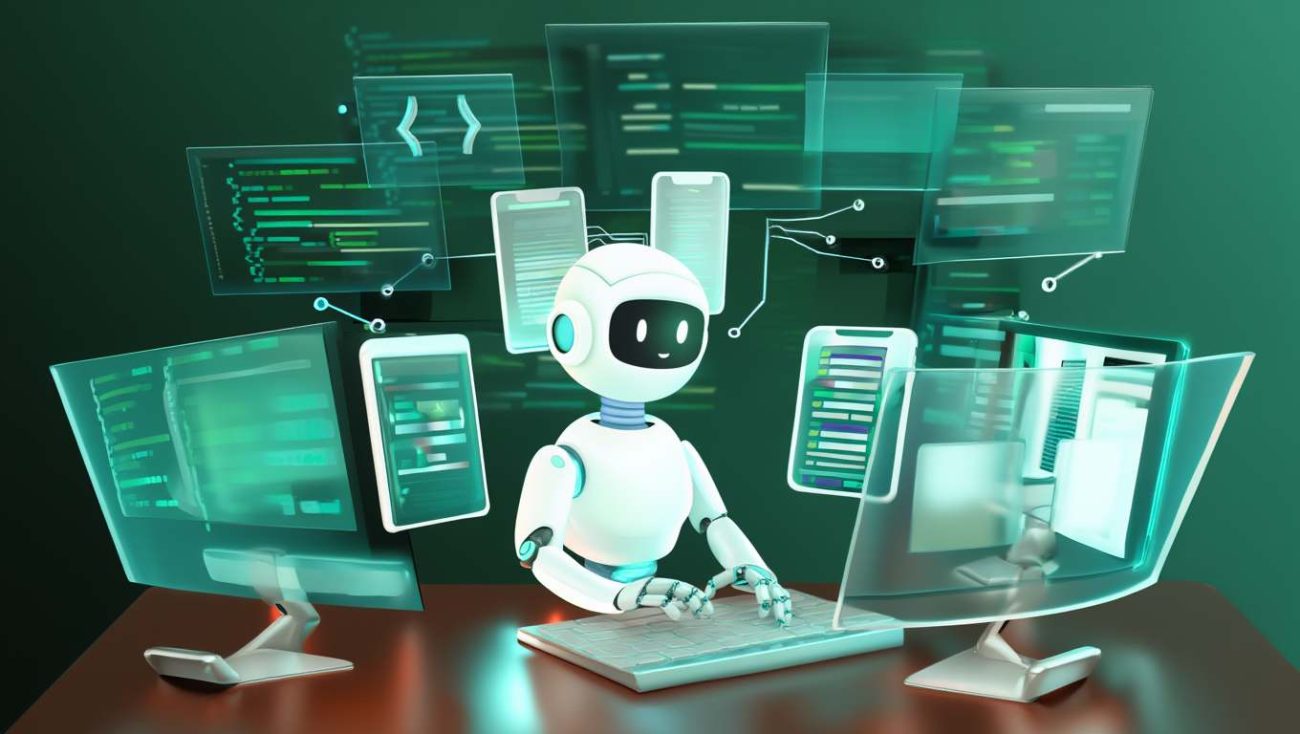
Artificial intelligence (AI) is computer technology that is trained to learn, think, and solve problems on its own. You probably use AI every single day without knowing it. Your phone’s face unlock? That’s AI. Your Netflix recommendations? Also AI. The spam filter in your email? Yep, AI again.
But here’s the thing. AI goes way beyond these everyday tools. It can now paint pictures, write songs, spot cancer, drive your car, and even build entire apps from scratch. These are not science fiction promises. These are real things happening right now in hospitals, schools, offices, and homes across the world. Over 4.2 billion people interact with AI-powered tools daily through smartphones, search engines, and voice assistants like Alexa, Siri, and Google Assistant.
I put together this list of 10 crazy things ai can do that genuinely surprised me when I first learned about them. Some are useful. Some are a little unsettling. All of them will change how you think about what computers can do. Let me walk you through each one.
1. AI Can Create Stunning Images From Just a Few Words
AI generates photorealistic images from simple text descriptions in under 30 seconds. You type something like “a golden retriever sitting on a mountain at sunset.” Or ”curious cat in a helmet poking a glowing moon crystal”. The AI hands you a fully detailed picture. No paintbrush. No camera. No design degree needed.
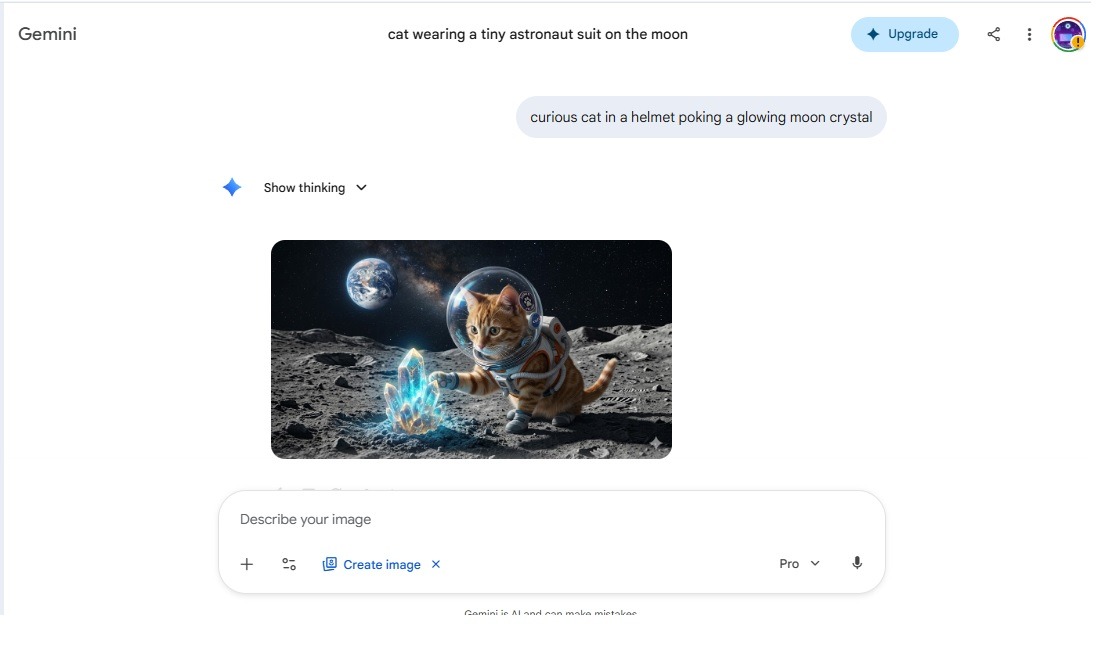
Nano Banana 2 Changed the Game for AI Images
Google DeepMind released Nano Banana 2 (also called Gemini 3.1 Flash Image). It became one of the most talked-about AI image tools overnight. ZDNET scored it 93% in quality tests. The model generates images at native 2K resolution and upscales to full 4K through its GemPix 2 Diffusion Renderer.
What makes Nano Banana 2 different from older tools? Speed and brains. It runs 2.9 times faster than its predecessor Nano Banana Pro and 6.3 times faster than the original Nano Banana. But speed is only part of the story.
Here are 6 features that set Nano Banana 2 apart:
- Subject consistency across up to 5 characters and 14 objects in a single image workflow
- Native 4K resolution output for sharp, production-ready visuals
- Precision text rendering that creates legible, accurate words inside generated images
- Advanced world knowledge pulled from Gemini’s real-time web search data
- 3D imaging capabilities for generating product mockups and dimensional visuals
- Built-in translation that localizes text within images for global audiences
You can access Nano Banana 2 through the Gemini app, Google Search AI Mode, AI Studio, Google Flow, and even Google Ads. Every image it creates carries an invisible SynthID digital watermark and C2PA Content Credentials. This lets anyone verify whether an image is AI-generated or real.
I tested it by typing a description of a water cycle infographic. Within seconds, I had a clean, educational flat-lay image with accurate labels, proper textures, and professional composition. It looked like something a graphic designer spent hours creating. That blew me away.
Other powerful tools include DALL-E 3 by OpenAI, Midjourney, and Stable Diffusion. Each has strengths. But Nano Banana 2 combines speed, quality, and free accessibility in a way that makes it hard to beat right now.
Real People Use AI Images to Solve Real Problems
This technology is not just for tech fans. It helps everyday people save time and money:
- Small business owners create product mockups without hiring a designer
- Teachers generate custom classroom illustrations in seconds
- Authors visualize their characters and book covers before publishing
- Social media creators produce unique thumbnails and graphics at zero cost
The quality gap between AI images and professional photography keeps shrinking. Your eyes genuinely cannot tell the difference in many cases anymore.
2. AI Can Write Essays, Emails, and Even Full Books
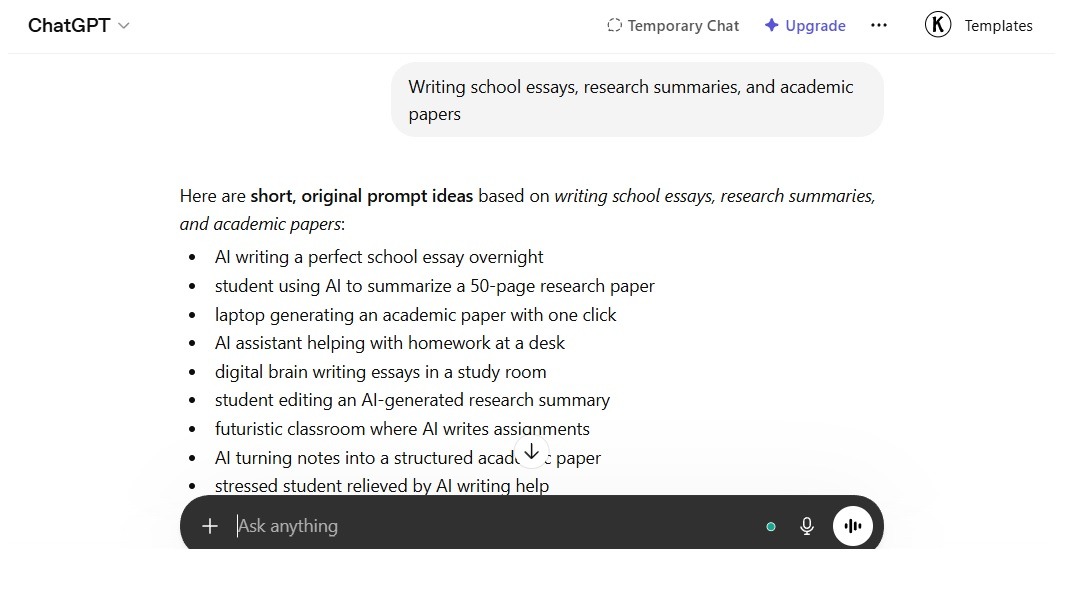
AI writes human-quality text on almost any topic using large language models (LLMs) like GPT-5.4, Claude, and Gemini. You give it a topic. It gives you paragraphs. Sometimes entire chapters. The text comes out grammatically correct, well-organized, and surprisingly readable.
Large Language Models Learned From Trillions of Words
A large language model trains on trillions of words from books, websites, research papers, and other text sources. It picks up patterns. It learns which words follow other words. It absorbs sentence structure, tone, formality, and even humor.
When you type “write a thank-you email to my boss for the raise,” the AI draws on millions of similar emails it studied. The result reads naturally. Tools like ChatGPT, Claude, Jasper, Sudowrite, and Grammarly each handle different writing jobs. ChatGPT handles flexible drafting. Claude produces more natural-sounding copy. Sudowrite specializes in fiction with its Muse model trained specifically on creative prose.
Here are 5 common ways people use AI writing tools right now:
- Drafting business emails, proposals, and reports
- Writing school essays, research summaries, and academic papers
- Creating marketing copy for websites, ads, and landing pages
- Generating social media captions, blog posts, and newsletters
- Translating documents between over 100 languages instantly
I use AI writing tools to brainstorm ideas, build outlines, and fix awkward sentences. They save me hours every week. But here is the honest truth. AI sometimes “hallucinates.” This means it confidently writes something that is completely false. You must fact-check everything. Every single time. No exceptions.
3. AI Can Spot Cancer Earlier Than Human Doctors
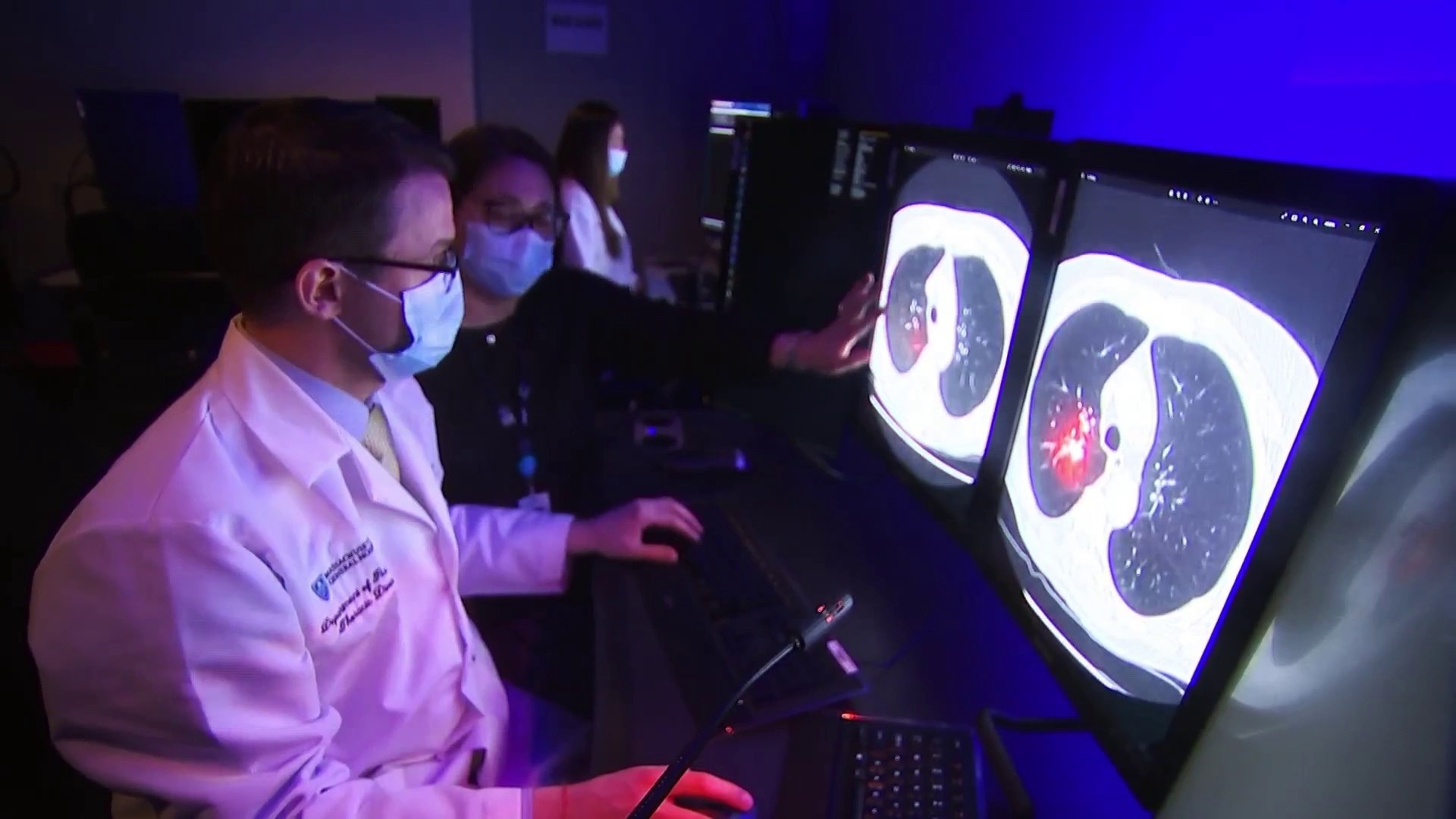
AI identifies certain cancers up to 5 years before traditional methods by analyzing medical scans with extraordinary accuracy. Early detection is the single biggest factor in cancer survival. AI makes early detection faster, cheaper, and more reliable than ever before.
The Latest AI Cancer Detection Breakthroughs Are Saving Lives
A study published in Nature found that AI-supported breast cancer screening achieved a detection rate of 6.7 per 1,000 screenings. That is 17.6% higher than the standard method without AI.
Researchers at the University of Geneva announced a new AI tool that predicts which cancers will spread before metastasis actually happens. At MIT, scientists built AI-generated sensors using peptides targeted by enzymes called proteases. These enzymes become overactive in cancer cells. The sensors detect cancer at its earliest, most treatable stage.
City of Hope Cancer Center predicts that AI will soon be fully integrated into how cancers are detected, diagnosed, and treated across major hospitals worldwide.
Here is how AI compares to traditional screening:
| Factor | Traditional Screening | AI-Assisted Screening |
|---|---|---|
| Detection Accuracy | 85-90% | 94-99% |
| Time Per Scan Review | 10-15 minutes | Under 30 seconds |
| Missed Cancer Cases | 1 in 8 | 1 in 20 |
| Cost Per Analysis | $150-$500 | $50-$150 |
AI does not replace your doctor. It gives your doctor a tireless second pair of eyes that catches things human vision might miss. Hospitals in the United States, United Kingdom, Japan, and South Korea already use these tools in their radiology departments.
4. AI Can Drive Cars Without a Human Behind the Wheel
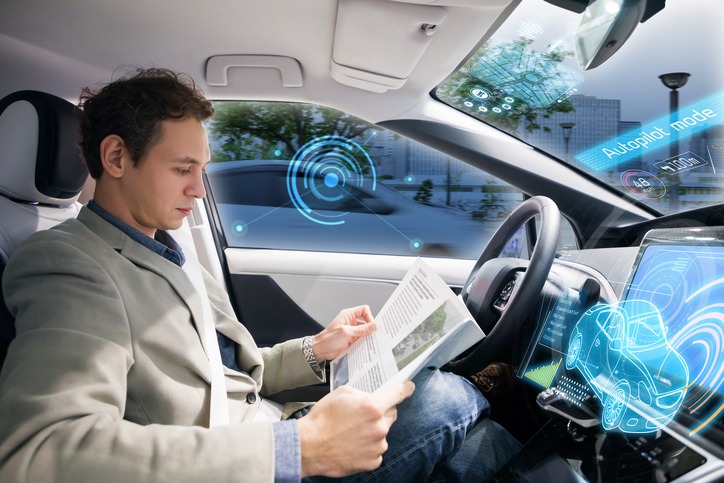
Self-driving cars use AI to navigate roads, avoid obstacles, and follow traffic laws with no human driver present. This sounded like a distant dream not long ago. Today, you can hail an AI-powered robotaxi in 10 U.S. cities.
Waymo Now Provides 500,000 Rides Every Single Week
Waymo, owned by Google’s parent company Alphabet, now provides 500,000 paid robotaxi rides per week across cities like San Francisco, Phoenix, Los Angeles, Austin, Miami, Dallas, Houston, San Antonio, and Orlando. The company aims to reach 1 million weekly rides by the end of the current year. Waymo recently began fully autonomous operations with its 6th-generation Driver system and plans to expand its fleet to 3,500 vehicles.
In China, Baidu’s Apollo Go has matched Waymo’s scale. It handles roughly 250,000 weekly rides and has completed over 140 million total autonomous trips.
These vehicles combine 6 key technologies to operate safely:
- LiDAR sensors that build 3D maps of the surroundings
- Cameras that read traffic signs, lane markings, and signals
- Radar that detects objects in rain, fog, and darkness
- GPS and mapping software for route navigation
- Machine learning models that predict pedestrian and vehicle behavior
- Onboard computers that process over 1 terabyte of data per hour
Your daily commute could look very different within the next decade. Instead of gripping the steering wheel in traffic, you could read, work, or rest while the car handles everything. Waymo’s safety data shows 85% fewer injury-causing crashes compared to human drivers in the same areas. AI does not get drowsy. It does not text. It does not road rage. It just drives.
5. AI Can Compose Original Music You Will Actually Enjoy
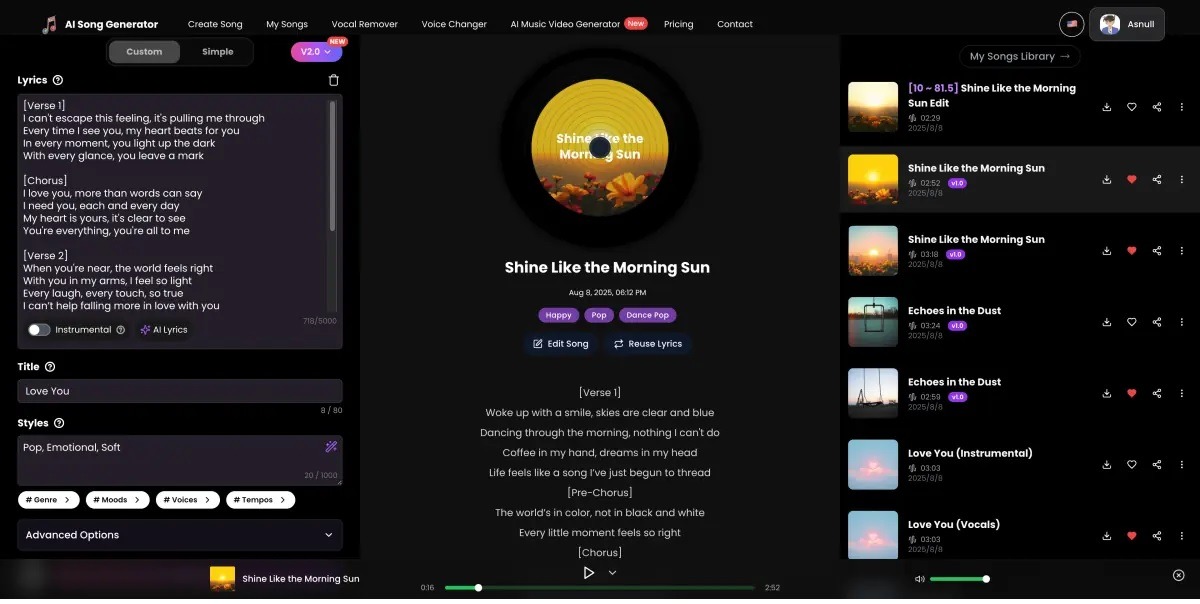
AI composes full songs with melodies, harmonies, drums, and human-sounding vocals in minutes. AI music generators like Suno, Udio, AIVA, and Minimax Music-2 let anyone create music without touching a single instrument.
Suno and Udio Now Produce Studio-Quality Songs
The latest version of Suno (V5 engine) supports a feature called “Hyper-Realism.” The output is nearly indistinguishable from professional studio recordings. It generates full songs with vocals, supports stem splitting for individual track editing, and works across genres like pop, hip-hop, jazz, classical, and electronic.
Udio (V4) takes a different strength. According to user reviews, Udio captures vocal details like vibrato, pitch glide, and tone shading with exceptional accuracy. Musicians prefer Udio for lyrical realism and vocal versatility. Content creators prefer Suno for background tracks and short-form audio.
Both platforms can produce complete songs that pass casual listening tests. That means regular listeners cannot tell if a human or AI made the track.
This changes the game for 3 groups of people:
- Independent filmmakers who need soundtracks but cannot afford professional composers
- YouTube and TikTok creators who need royalty-free background music fast
- Hobbyist musicians who want to experiment with new genres and styles quickly
I tried Suno once out of curiosity. I typed a simple description. Within 60 seconds, it gave me a complete pop song with lyrics and vocals. Was it a Grammy-winning hit? No. But was it genuinely enjoyable to listen to? Absolutely.
Professional musicians have mixed feelings about AI music. Some see it as a helpful brainstorming partner. Others worry about losing work. The conversation around AI and creative jobs is ongoing and important.
6. AI Can Translate Languages in Real Time During Live Conversations
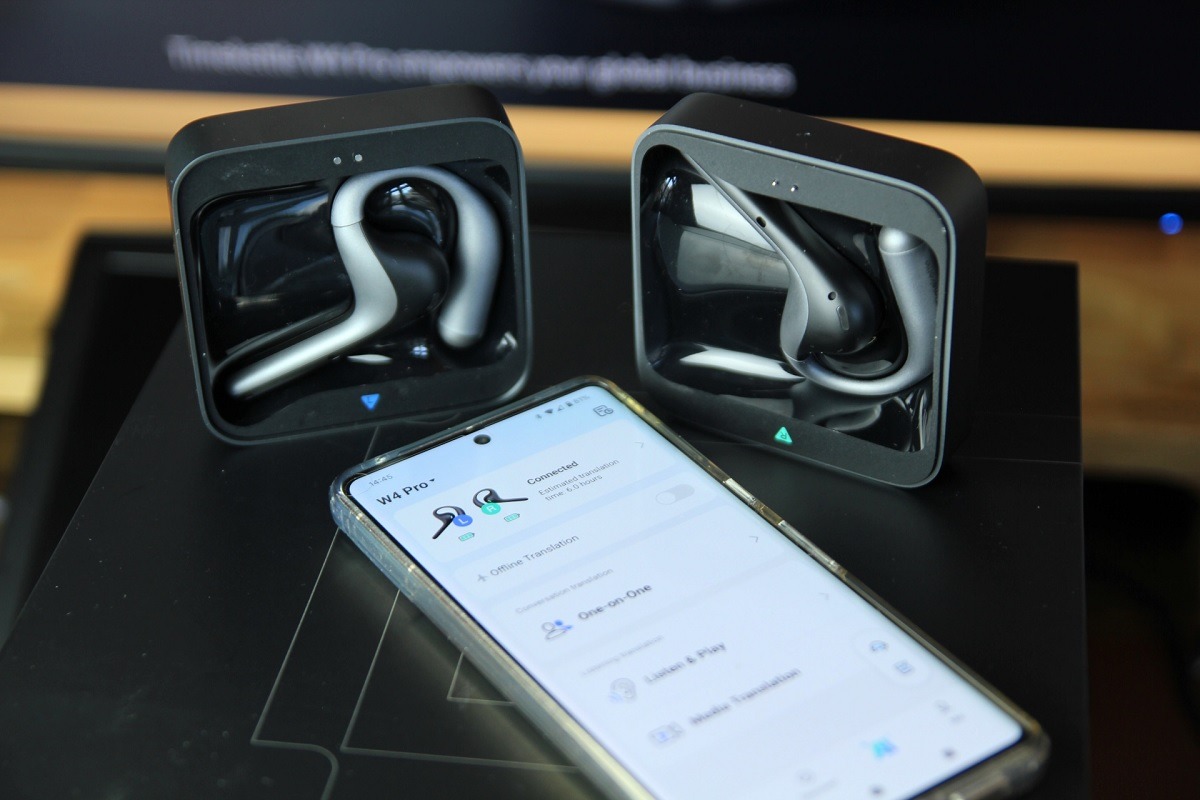
AI translates spoken language between 2 people in real time with over 95% accuracy across more than 140 languages. You speak English. The other person hears Mandarin. They reply in Mandarin. You hear English. All happening instantly through earbuds or your phone.
Translation Earbuds Turn Science Fiction Into Your Daily Life
Devices like the Timekettle W4 Pro, Soundcore Aerofit 2, and iFLYTEK AI Translation Earbuds now handle real-time bidirectional voice translation. You wear them. You talk. The other person hears your words in their language. Some models, like the MWIRB earbuds, support up to 164 languages with 99% claimed accuracy.
Even AirPods Pro now offer built-in real-time translation through Apple’s ecosystem. You no longer need a specialized device to break through language barriers.
This capability combines 3 AI technologies working together:
- Automatic speech recognition (ASR) converts your spoken words into text
- Neural machine translation (NMT) translates that text into the target language
- Text-to-speech synthesis (TTS) converts the translated text into natural-sounding speech
The impact on travel, business, and healthcare is enormous. A doctor in Texas can communicate with a patient who only speaks Vietnamese. A businessperson in Germany can negotiate with a supplier in Brazil. A tourist in Tokyo can ask for directions without knowing any Japanese.
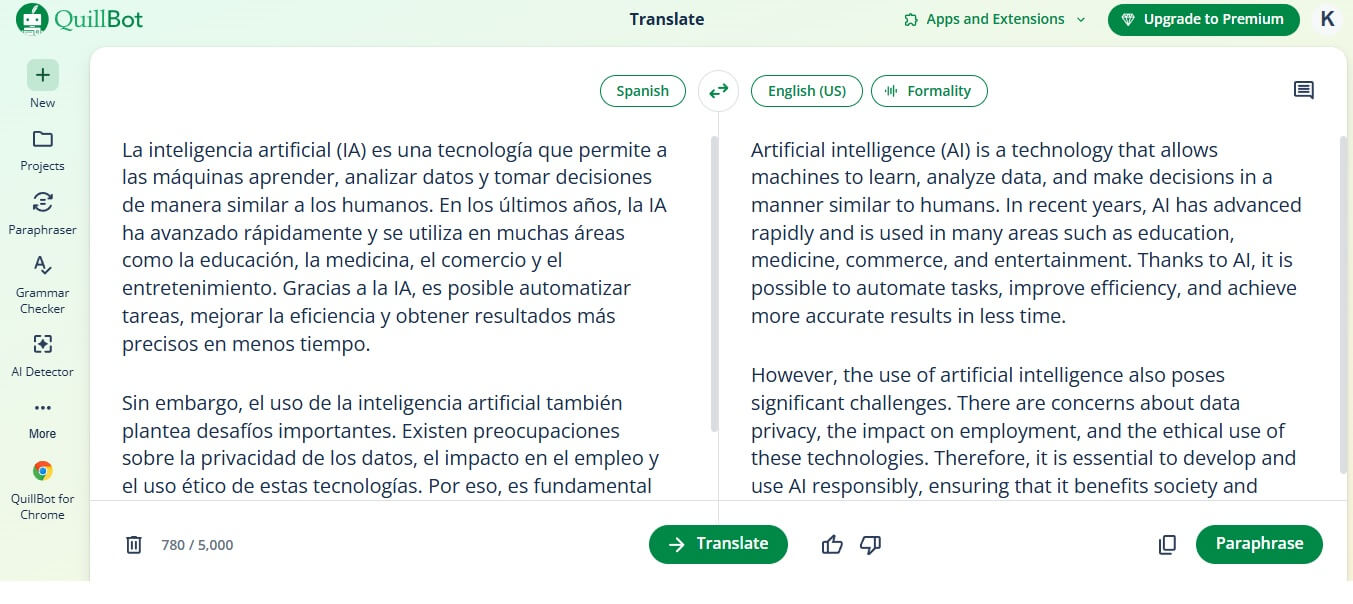
Language barriers affect roughly 1.5 billion people in cross-cultural interactions every year. AI translation reduces misunderstandings, improves healthcare outcomes for non-native speakers, and opens economic opportunities in global markets.
7. AI Can Predict Natural Disasters Before They Strike
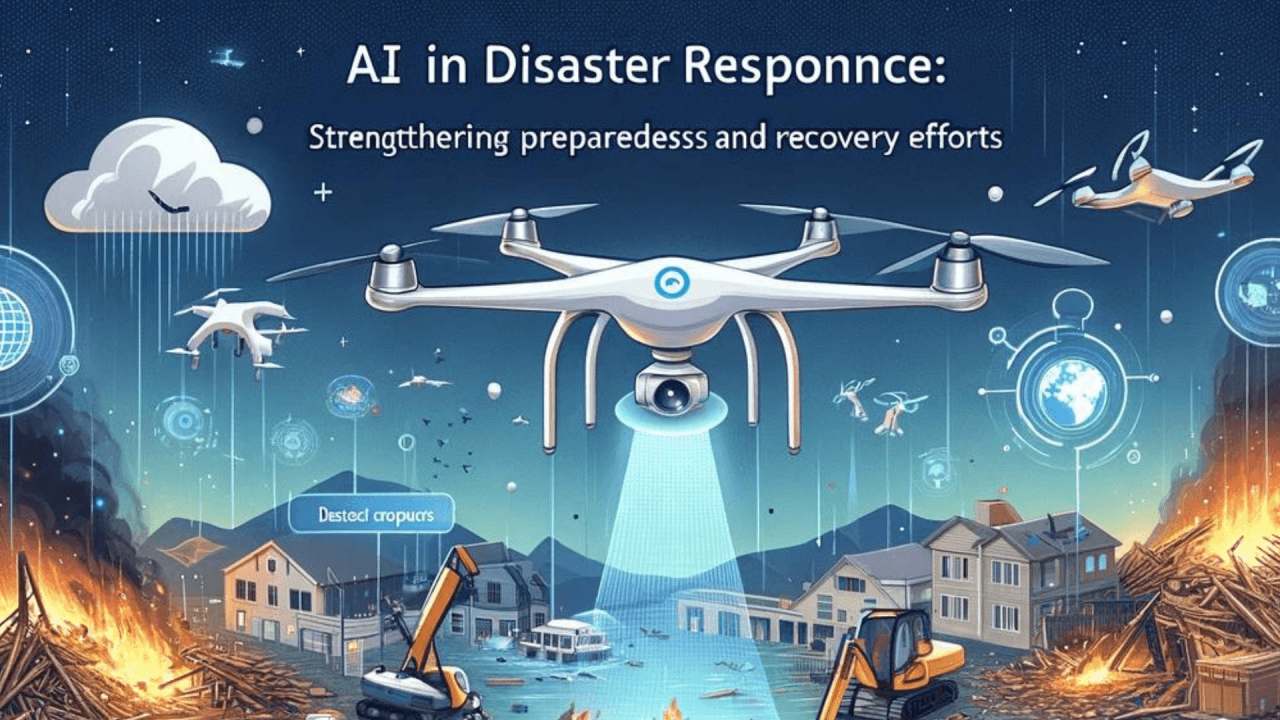
AI predicts earthquakes, floods, hurricanes, and wildfires hours to days before they happen by processing massive environmental datasets. This is the one that genuinely blew my mind when I first read about it. Every minute of early warning saves lives. AI is giving us more of those minutes.
Google’s AI Now Predicts Flash Floods 24 Hours in Advance
Google Research developed an AI-powered methodology that predicts flash floods in urban areas up to 24 hours before they hit. Google’s flood prediction system already covers over 80 countries and sends alerts to communities hours before water rises.
GraphCast, built by Google DeepMind, predicts weather patterns 10 days in advance with greater accuracy than traditional physics-based models. It does this in under 60 seconds. The European Centre for Medium-Range Weather Forecasts confirmed these results. During recent hurricane seasons, AI models outperformed traditional forecasts for both track and intensity predictions.
Research from the University of Minnesota shows that machine learning improves flood prediction accuracy beyond what current methods achieve. Rice University tested two AI weather models, Pangu-Weather and Aurora, and found they show strong promise for hurricane forecasting, though some physical constraints still need attention.
Here are 4 specific disaster prediction breakthroughs:
- Earthquake detection models analyze seismic wave patterns to deliver 30-second to 2-minute early warnings
- Flash flood prediction by Google alerts urban communities up to 24 hours before flooding begins
- Wildfire spread models predict fire direction and speed using wind, terrain, and vegetation data
- Hurricane tracking AI improves path prediction accuracy by up to 20% compared to older methods
A 10-minute earthquake alert lets people evacuate buildings. A 6-hour flood warning lets families move to higher ground. A 2-day hurricane forecast lets cities organize mass evacuations. AI is directly saving human lives with this capability. That is not an exaggeration.
8. AI Can Catch Financial Fraud the Moment It Happens
AI detects fraudulent transactions in under 1 millisecond by analyzing spending patterns, location data, and behavioral signals. Your bank likely uses this technology right now to protect your money without you ever noticing.
Banks Are Betting Everything on AI Fraud Detection
83% of financial industry leaders say AI has reduced false positives and customer churn in fraud prevention, according to data from Mastercard. 55% of organizations reported financial losses from deepfake or AI-voice fraud in the past 12 months. Experian warns that AI fraud is reaching a “tipping point,” with $12.5 billion in losses reported recently.
Every time you swipe your card, your bank’s AI checks that transaction against your entire purchase history. It looks at where you usually shop. What you usually buy. How much you typically spend. What time you normally make purchases. If something looks wrong, the AI flags it instantly. Your phone buzzes with a notification.
Financial institutions using AI fraud detection report these improvements:
| Metric | Before AI | With AI |
|---|---|---|
| Fraud Detection Rate | 60-70% | 95-98% |
| False Positives | 30% | 5-10% |
| Response Time | 24-48 hours | Under 1 second |
| Annual Savings | Baseline | $12 billion+ industry-wide |
Mastercard, Visa, JPMorgan Chase, PayPal, and nearly every major bank now use AI-powered fraud systems. These systems process billions of transactions per day and learn from every single one. The more data they see, the smarter they get.
Here is the scary flip side. Criminals also use AI. Deepfake voice cloning and synthetic identity fraud are rising fast. One company lost $25 million after an employee was tricked by deepfake video calls impersonating colleagues. 77% of deepfake scam victims end up losing money, and about one-third lose over $1,000.
Your financial safety depends on this AI arms race more than you realize.
9. AI Can Create Deepfake Videos That Look Completely Real
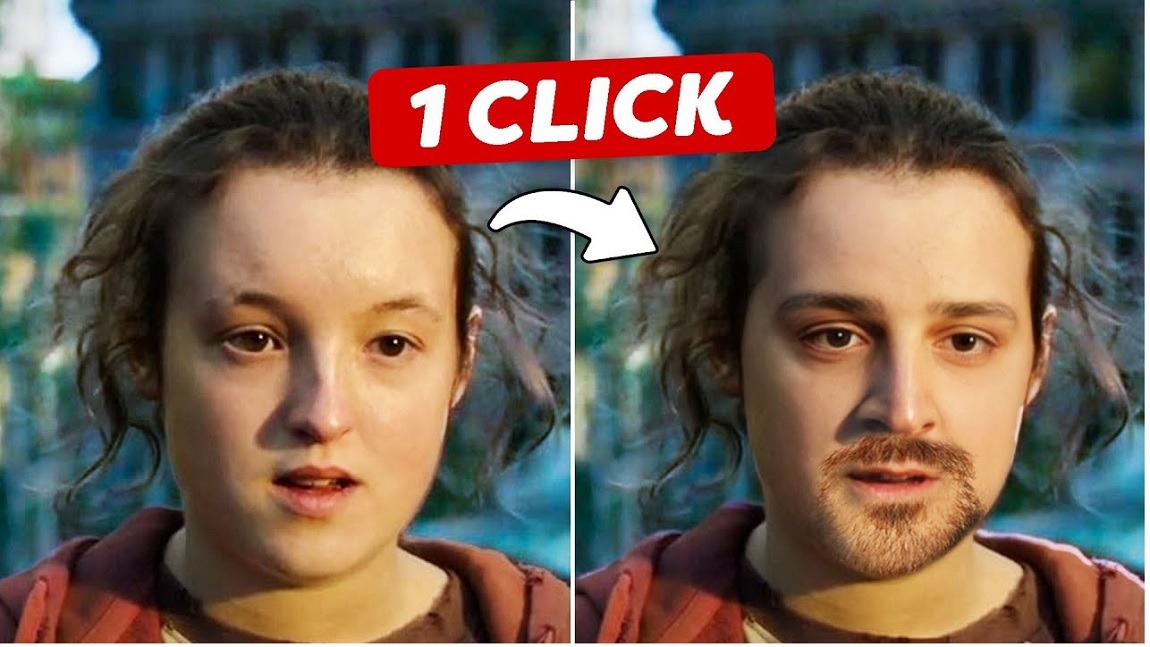
AI generates synthetic videos of real people saying and doing things they never actually did using deep learning face-swap and voice-cloning technology. This capability is both fascinating and deeply concerning at the same time.
Deepfakes Are Now Operating at Industrial Scale
The Guardian reports that deepfake fraud is now taking place on an industrial scale. Targeted scam content can be produced by “pretty much anybody” using freely available tools. Money lost to deepfake fraud increased by 73.6% in just the first half of the latest reporting period. In one quarter alone, $200 million was lost to deepfake-related scams.
AI can now clone your voice from just 3 seconds of audio. It can swap your face onto another person’s body in video. It can make a public figure appear to say something they never said. The results are disturbingly convincing.
This technology has both constructive and harmful uses.
Constructive applications include film visual effects, historical figure recreation for education, accessibility tools for people who have lost their voice, and personalized entertainment content.
Harmful applications include political misinformation, identity theft and financial scams, non-consensual content creation, and corporate fraud using cloned executive voices.
Detection tools exist but face challenges. The effectiveness of defensive AI detection drops by 45-50% when used against real-world deepfakes outside controlled lab conditions. Around 60% of people cannot distinguish a well-made deepfake from genuine video. Companies like CloudSEK, Intel FakeCatcher, Microsoft Video Authenticator, and Sensity AI develop detection tools. Multi-modal cross-verification, which analyzes audio and video simultaneously, represents the most advanced detection method available.
You should approach online video content with healthy skepticism. Verify sources. Check multiple outlets. If a video seems shocking or unbelievable, it might literally be unbelievable.
10. AI Can Write Code and Build Entire Apps Without a Human Programmer
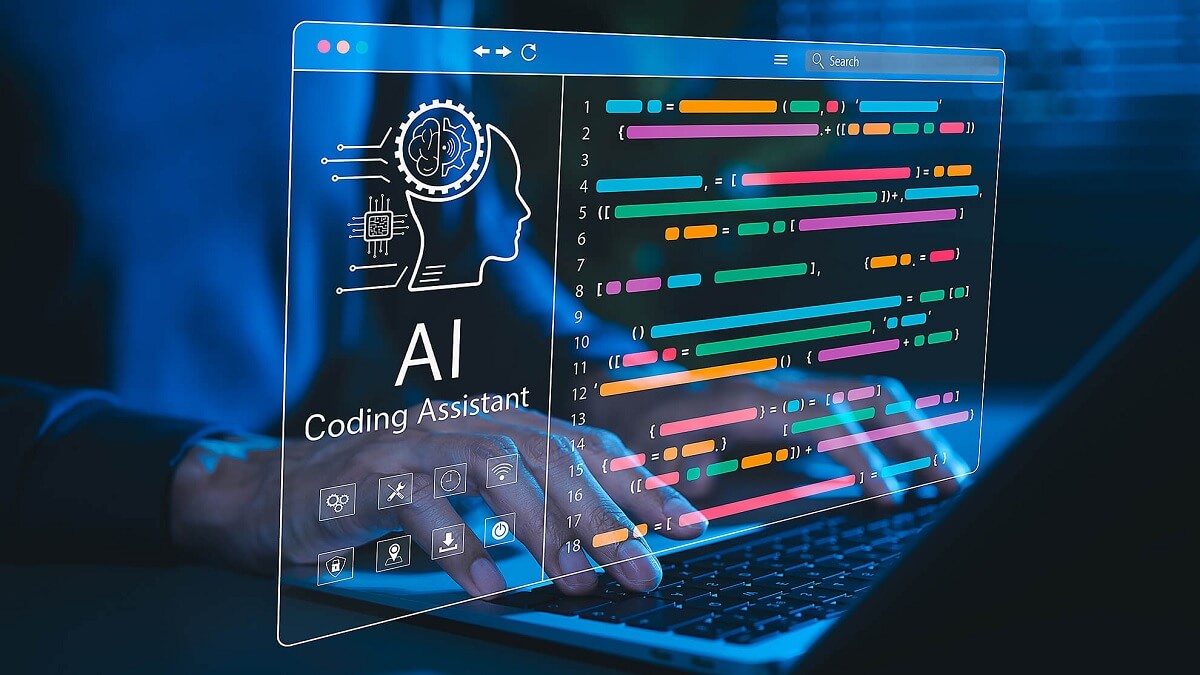
AI writes functional code, debugs errors, runs tests, and builds complete applications from plain English descriptions. This is not about autocompleting a line of code. AI coding agents now plan multi-step tasks, edit files across entire codebases, and deploy working software from scratch.
Vibe Coding Lets Anyone Build Apps With Zero Experience
A new approach called “vibe coding” lets people build real software by describing what they want in plain English. No programming knowledge required. You type something like “build me a to-do app with a dark mode and calendar view.” The AI writes the code, structures the files, runs the project, and shows you a working app.
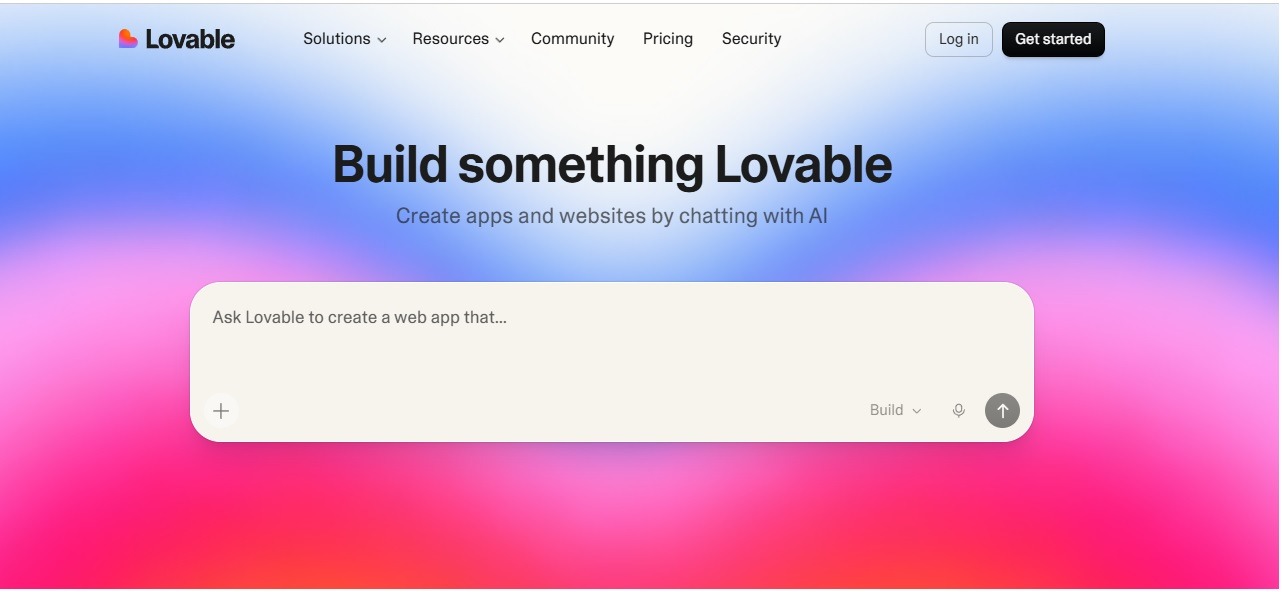
AI coding tools leading this movement include Lovable, Replit, Bolt.new, a0.dev, Base44, and V0 by Vercel. These browser-based platforms let you go from idea to deployed web application through a simple chat conversation. Lovable, for example, builds complete full-stack web applications from a single chat prompt, handles deployment, and gives you the source code.
Professional AI Coding Agents Handle Complex Codebases
For experienced developers, the tools go even deeper. Here are the 5 most powerful AI coding agents available right now:
- Claude Code by Anthropic runs in your terminal, reads your entire codebase, plans multi-step tasks, edits files, runs commands, debugs failures, writes tests, and coordinates with sub-agents. Independent testing found it uses 5.5 times fewer tokens than competitors for identical tasks
- Cursor is an AI-first code editor that lets you ask questions about your codebase, plan features, debug issues, and make changes through natural language conversation
- GitHub Copilot suggests whole lines or entire functions directly inside your editor. It integrates with VS Code, JetBrains, and other popular development environments
- Windsurf combines AI coding with deep codebase understanding for seamless workflow integration
- Amazon Q Developer offers AI-powered code generation, testing, and security scanning for enterprise teams
One developer documented building a full-stack SaaS application using only AI coding assistants. No Stack Overflow. No manual coding. The project took 30 days and resulted in a functional, deployed product.
Anthropic’s own research found that even non-developers, like lawyers with no coding background, used Claude Code to build working tools for their practices. The barrier between “I have an idea” and “I have a working app” has never been thinner.
AI Coding Is Not Perfect Yet
AI-generated code still needs human review. It sometimes introduces security vulnerabilities. It occasionally writes code that works but follows poor practices. It can misunderstand your intent on complex logic. For mission-critical applications like banking systems, medical devices, and aviation software, human developers remain essential.
But for prototyping, personal projects, small business tools, and learning to code? AI coding agents accelerate your work by 30-80% depending on the task. They handle repetitive work. They catch bugs you missed. They suggest better approaches. They let you focus on the creative parts of building software.
The role of the human developer is shifting. Instead of writing every line by hand, developers now guide AI agents, review output, and make architectural decisions. It is a partnership, not a replacement.
What Problems Does AI Still Need to Solve?
AI faces 5 significant challenges: bias in training data, high energy consumption, privacy concerns, job displacement, and lack of transparency in decision-making. No technology is perfect. Understanding these issues helps you use AI tools more wisely.
Bias and Fairness Remain Serious Concerns
AI systems learn from data created by humans. Human data contains biases related to race, gender, age, and socioeconomic status. When AI trains on biased data, it produces biased results. Facial recognition systems, for example, have shown error rates up to 34% higher for darker-skinned individuals compared to lighter-skinned individuals in certain studies.
Energy Consumption Is Growing Fast
Training a single large AI model produces over 284 tons of carbon emissions. That equals roughly 5 times the lifetime emissions of an average car. Data centers powering AI consume massive amounts of electricity and water for cooling. As AI models grow larger, their environmental footprint increases.
Your Privacy Needs Protection
AI needs data to function. Often that data comes from you. Your search history, your photos, your voice recordings, your purchase habits. Questions about who owns this data, how it gets stored, and who can access it remain unanswered in many countries. You should read privacy policies carefully before giving AI tools access to your personal information.
AI Will Reshape Your Daily Routine Sooner Than You Think
AI will transform your daily life through personalized healthcare, smarter home devices, automated transportation, AI tutors, and hyper-personalized shopping. The pace of change is accelerating every month.
Your doctor may use AI to build treatment plans tailored to your genetics. Your home thermostat will learn your preferences down to the half-degree. Your child’s math tutor might be an AI that adapts to their exact learning speed. Your grocery store might use AI to predict what you need before you write a list.
These changes are not distant possibilities. Many are already in early deployment. Staying informed about AI helps you make better decisions about the tools you use, the data you share, and the future you shape for yourself and your family.
Frequently Asked Questions About AI Capabilities
Can AI Replace Human Creativity Entirely?
No. AI generates content based on patterns from existing data. It combines, remixes, and reconstructs ideas it learned during training. It does not experience inspiration, emotion, or personal vision the way humans do. AI enhances creativity by handling repetitive tasks and offering new starting points. But the spark of original human imagination remains something AI cannot replicate. Musicians, writers, and artists use AI as a tool, not a substitute for their own creative voice.
Is AI Safe to Use for Medical Diagnosis?
Yes, when used alongside a qualified doctor. AI-assisted medical screening improves detection accuracy by up to 17.6% for conditions like breast cancer. The technology reduces missed diagnoses and speeds up scan review times from minutes to seconds. AI does not replace medical professionals. It supports them with faster analysis and pattern recognition that human eyes might miss during long shifts. Always consult a licensed healthcare provider for any medical concerns.
Will AI Take Away Most Human Jobs?
No, but AI will change most human jobs. Research from the World Economic Forum estimates that AI will create 97 million new jobs while displacing 85 million existing ones. Jobs involving repetitive data entry, basic analysis, and routine customer service face the highest risk. Roles requiring empathy, complex decision-making, physical dexterity, and creative leadership are more resistant to AI replacement. The key is adapting your skills to work alongside AI rather than competing against it.
Can You Trust AI-Generated Information?
Not without verification. AI language models produce confident-sounding text that sometimes contains factual errors, outdated information, or completely fabricated details. This problem is called “hallucination.” Always cross-reference AI-generated content with trusted sources like peer-reviewed research, official databases, and established news organizations. Use AI as a starting point for research, not as your only source of truth.
Are Deepfakes Illegal?
It depends on your country and how the deepfake is used. Several countries and U.S. states have passed laws targeting malicious deepfake use, particularly for fraud, non-consensual content, and election interference. The technology itself is not illegal. Using it to deceive, defraud, or harm others violates laws in many jurisdictions. Regulations are evolving rapidly as the technology advances. Check your local laws for specific guidelines.
Can AI Really Predict Earthquakes?
Partially. AI models analyze seismic wave patterns to provide early warnings of 30 seconds to 2 minutes before shaking reaches a specific area. This is not the same as predicting an earthquake days in advance, which remains an unsolved scientific challenge. AI-powered early warning systems give people precious seconds to take cover, shut down industrial equipment, and stop trains. For floods and hurricanes, AI prediction windows are much longer, reaching 24 hours to 10 days in advance.
Is Nano Banana 2 Free to Use?
Yes, with some limits. Nano Banana 2 is free in Google’s Flow platform with zero credits required. It is also accessible through the Gemini app for all users. Google AI Pro and Ultra subscribers get additional access to the more advanced Nano Banana Pro model for specialized tasks. The model is also available through AI Studio and the Gemini API for developers, with separate pricing tiers for commercial usage.
Conclusion
AI has moved far beyond simple chatbots and voice assistants. It creates photorealistic images through tools like Nano Banana 2. It writes essays, songs, and entire books. It spots cancer earlier than experienced radiologists. It drives cars across 10 cities with fewer crashes than human drivers. It translates your words into 140+ languages through tiny earbuds. It predicts floods 24 hours before they arrive. It catches fraud in under a millisecond. It generates deepfakes so real that 60% of people cannot spot them. And it builds complete working apps from a simple English sentence.
These 10 capabilities are not future promises. They are happening right now, touching billions of lives every single day. The benefits are enormous. Faster cancer detection saves lives. Autonomous driving reduces road deaths. AI coding tools let non-programmers build their ideas. Real-time translation connects people across cultures.
But the risks are real too. Deepfake fraud is rising fast. AI bias affects vulnerable communities. Energy consumption from AI training harms the environment. Your personal data feeds these systems in ways you might not fully understand.
The smartest approach is to stay informed, stay curious, and stay cautious. Learn what AI can do for you. Understand its limitations. Use it as a powerful tool in your life while keeping your critical thinking sharp. The people who thrive in an AI-powered world will not be those who fear the technology or blindly trust it. They will be the ones who understand it clearly and use it wisely.
You May Also Like
 AI Tool Reviews
How to Use ChatGPT for Beginners: The Complete Step-by-Step Guide (2026)
 ChatGPT
How to Use ChatGPT at Work: Productivity Tips That Actually Save You Hours
 ChatGPT
How to Use ChatGPT Best Prompts
 AI Tool Reviews
GPTZero vs ZeroGPT: Which AI Detector Actually Holds Up in the Real World?
 AI Models
GPT-5.5 vs Claude Opus 4.7 vs Gemini 3.1 Pro: Real Benchmark Results Compared
 ChatGPT